




How does IVF affect you psychologically?
When you start an in vitro fertilisation (IVF) treatment, conversations often revolve around tests, results and success rates. But behind every treatment there is another, less visible reality: its emotional impact. Expectations, uncertainty, anxiety during waiting periods, doubts and frustration are emotions that many women have to manage. This emotional strain comes on top of […]

Egg Freezing: Is It Worth It?
What the science says: a new study reveals the chances of becoming a mother using previously frozen eggs More and more women are considering freezing their eggs. Not because they simply want to «delay» motherhood, but because many reach the age of 35—or are approaching 40—without having found the right time, the right partner, sufficient […]

Patient care in the Reproductive Medicine Department at Dexeus Mujer
Interview with Dr Marta Devesa, Head of the Assisted Reproduction Department at Dexeus Mujer: “Our aim is to achieve the best possible results with the least possible physical strain” When a woman begins assisted reproduction treatment, she is not only physically involved; she also brings her emotions, her expectations and, often, the experience of a […]
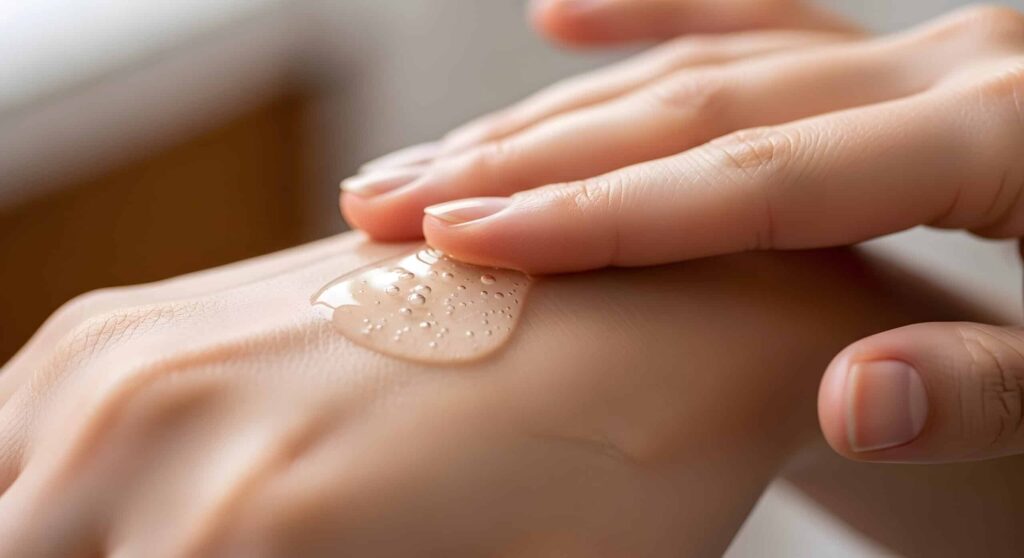
Testosterone in IVF: does it really improve the chances of pregnancy?
For years, testosterone has been a strategy recommended by some specialists in IVF treatments to improve outcomes for women with low ovarian reserve. However, a clinical study led by Dexeus Mujer and published in Nature Communications in 2026 shows that testosterone does not improve pregnancy rates in IVF. If you are considering fertility treatment and […]

Delaying motherhood: 6 useful tips if you decide to wait
Do you want to become a mother one day, or are you not considering it yet? In recent years, women have tended to delay motherhood, leading to growing interest in egg freezing. You have probably heard of this option. The challenge is that it is still not widely discussed: many women are unsure of the […]

Have you been recommended egg donation treatment? Here’s what you should know before getting started
If you have been advised to consider egg donation treatment, the news may have had a strong emotional impact. This is completely understandable, as it means giving up the use of your own eggs, which can trigger a sense of loss known as ‘genetic grief’, and coming to terms with it may take some time. […]
How does IVF affect you psychologically?
When you start an in vitro fertilisation (IVF) treatment, conversations often revolve around tests, results and success rates. But behind every treatment there is another, less visible reality: its emotional impact. Expectations, uncertainty, anxiety during waiting periods, doubts and frustration are emotions that many women have to manage. This emotional strain comes on top of […]
Egg Freezing: Is It Worth It?
What the science says: a new study reveals the chances of becoming a mother using previously frozen eggs More and more women are considering freezing their eggs. Not because they simply want to «delay» motherhood, but because many reach the age of 35—or are approaching 40—without having found the right time, the right partner, sufficient […]
Patient care in the Reproductive Medicine Department at Dexeus Mujer
Interview with Dr Marta Devesa, Head of the Assisted Reproduction Department at Dexeus Mujer: “Our aim is to achieve the best possible results with the least possible physical strain” When a woman begins assisted reproduction treatment, she is not only physically involved; she also brings her emotions, her expectations and, often, the experience of a […]
Testosterone in IVF: does it really improve the chances of pregnancy?
For years, testosterone has been a strategy recommended by some specialists in IVF treatments to improve outcomes for women with low ovarian reserve. However, a clinical study led by Dexeus Mujer and published in Nature Communications in 2026 shows that testosterone does not improve pregnancy rates in IVF. If you are considering fertility treatment and […]
Delaying motherhood: 6 useful tips if you decide to wait
Do you want to become a mother one day, or are you not considering it yet? In recent years, women have tended to delay motherhood, leading to growing interest in egg freezing. You have probably heard of this option. The challenge is that it is still not widely discussed: many women are unsure of the […]
Have you been recommended egg donation treatment? Here’s what you should know before getting started
If you have been advised to consider egg donation treatment, the news may have had a strong emotional impact. This is completely understandable, as it means giving up the use of your own eggs, which can trigger a sense of loss known as ‘genetic grief’, and coming to terms with it may take some time. […]